
How Smart 3D PLM Reduces Product Delays and Operational Risks in Manufacturing?
In today’s competitive manufacturing environment, companies must innovate faster while maintaining high product quality and operational efficiency. However, many organizations still struggle with product delays, communication gaps, and disconnected engineering systems. These issues often result in increased production costs, missed deadlines, and operational risks.
This is where Smart 3D Product Lifecycle Management (PLM) becomes essential. By providing a centralized digital platform for managing product data and processes, PLM helps manufacturers streamline operations and accelerate product development.
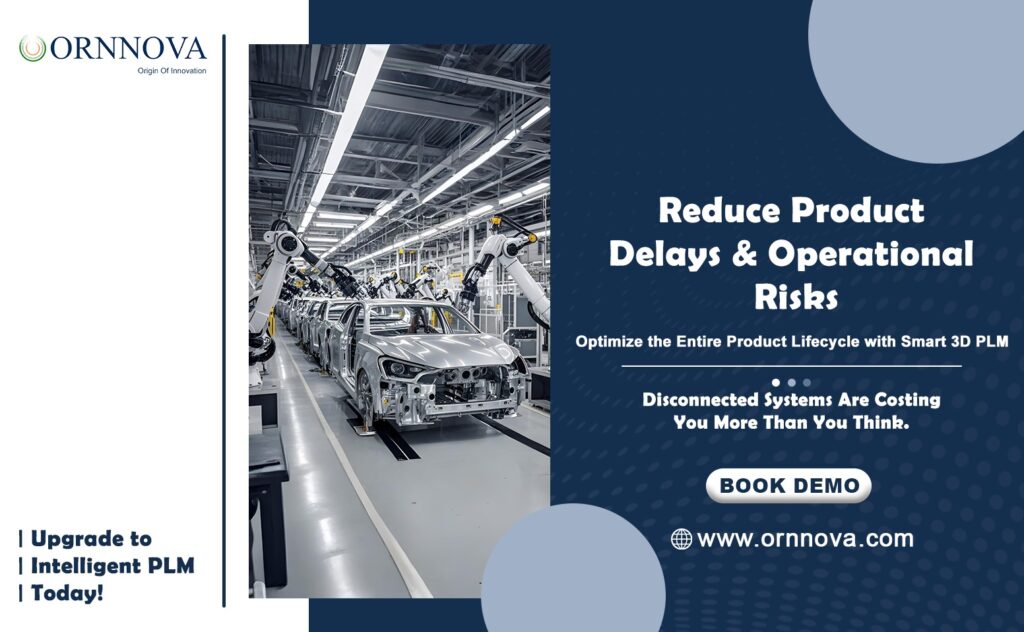
What is Smart 3D PLM?
Smart 3D Product Lifecycle Management (PLM) is a digital solution that manages the entire lifecycle of a product—from concept and design to manufacturing, maintenance, and retirement. It integrates product data, 3D designs, engineering documents, and workflows into a single platform.
With 3D PLM Product Lifecycle Management, teams across different departments can access real-time product information, collaborate on designs, and track changes efficiently. This ensures that everyone involved in the product development process works with accurate and up-to-date data.
Challenges of Disconnected Systems
Many manufacturing companies use separate tools for design, engineering, production, and supply chain management. When these systems are not connected, several problems arise:
Miscommunication between engineering and production teams
Duplicate or outdated product data
Delays in implementing design changes
Increased chances of product errors
Higher operational costs
Disconnected systems slow down decision-making and create inefficiencies that can significantly impact product delivery timelines.
How Smart 3D PLM Reduces Product Delays
Implementing a Smart 3D PLM Product Lifecycle Management system helps manufacturers overcome these challenges by improving collaboration and visibility across the organization.
- Centralized Product Data
PLM stores all product-related data in a single platform. This eliminates confusion caused by multiple versions of design files and documents. - Real-Time Collaboration
Engineering, design, and production teams can collaborate in real time using shared 3D models and digital workflows. This reduces delays caused by miscommunication. - Faster Design Changes
When product designs need updates, changes can be implemented quickly across the entire system. This ensures that production teams always work with the latest information. - Automated Workflows
PLM systems automate approvals, documentation, and engineering processes. Automation helps reduce manual errors and speeds up product development cycles.
Key Benefits for Manufacturing Companies
Adopting Smart 3D PLM Product Lifecycle Managementoffers several advantages for modern manufacturing organizations:
Faster product development cycles
Improved product quality and consistency
Reduced operational risks and errors
Better collaboration across departments
Lower production and operational costs
These benefits allow manufacturers to stay competitive while meeting increasing customer expectations.
Industries That Benefit from PLM
Smart 3D PLM solutions are widely used across industries that require complex product design and manufacturing processes. Some of the key sectors include:
Automotive manufacturing
Aerospace and defense
Industrial machinery and equipment
Electronics and high-tech manufacturing
These industries rely on PLM to manage large volumes of engineering data and maintain efficient product development workflows.
Conclusion
As manufacturing becomes more complex and technology-driven, companies need smarter solutions to manage product development. Smart 3D PLM provides a powerful platform that connects teams, integrates product data, and streamlines processes.
By adopting PLM, manufacturers can reduce product delays, minimize operational risks, and improve overall productivity. In a fast-changing industrial landscape, implementing a modern PLM strategy is not just an advantage—it is a necessity for sustainable growth and innovation.