
How PLM Consulting Improves Product Development in the Manufacturing Industry?
In today’s fast-moving market, manufacturing companies must innovate quickly while maintaining quality and controlling costs. However, many organizations struggle with disconnected systems, version control issues, delayed approvals, and poor collaboration between engineering and production teams. This is where professional PLM services play a transformative role.
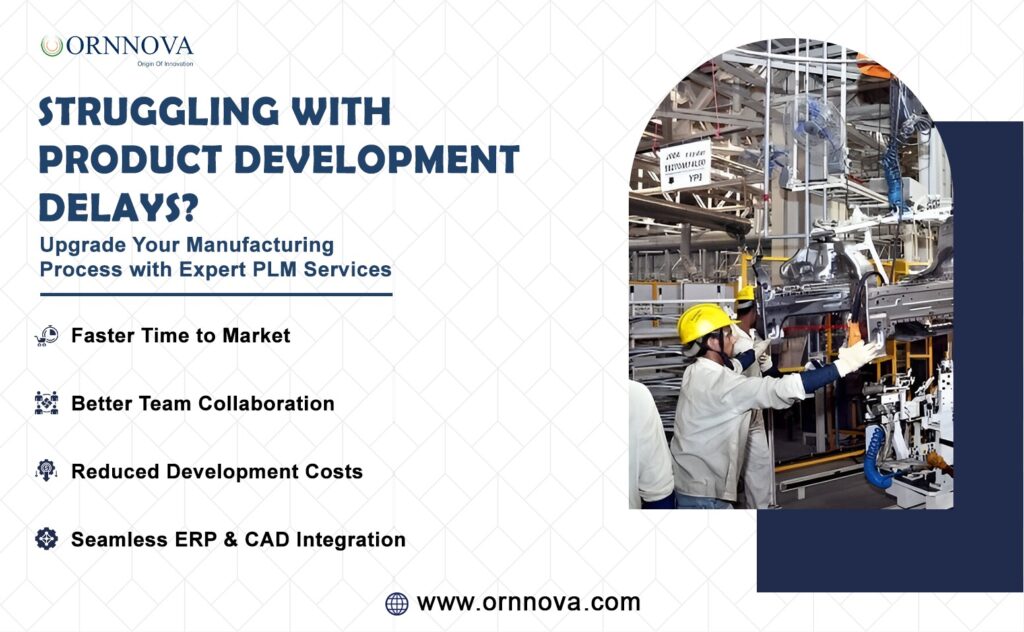
Understanding Product Lifecycle Management in Manufacturing
Product Lifecycle Management (PLM) is a strategic process that manages a product’s entire journey — from idea and design to manufacturing, service, and end-of-life. Plm services manufacturing product development centralize product data, streamline workflows, and improve cross-functional coordination.
Leading PLM platforms such as Siemens Teamcenter, PTC Windchill, and Dassault Systèmes ENOVIA enable companies to maintain a single source of truth across departments. When implemented strategically, these PLM solutions eliminate data silos and enhance operational efficiency.
How PLM Services Improve Product Development?
1️⃣ Faster Time to Market
Manufacturers often lose time due to manual documentation and approval delays. With structured PLM services, workflows become automated and transparent. Real-time access to updated product information allows teams to accelerate development cycles and launch products faster.
2️⃣ Improved Collaboration Across Departments
Engineering, procurement, quality, and production teams need synchronized data. PLM solutions create a unified digital environment where everyone works on the latest design revisions. This reduces miscommunication and costly rework.
3️⃣ Better Change and Version Management
Design changes are common in manufacturing. Without proper control, outdated drawings can lead to production errors. Product lifecycle management services ensure controlled change management, accurate version tracking, and compliance documentation.
4️⃣ Cost Reduction and Risk Mitigation
Rework, scrap, and late-stage modifications increase development costs. By implementing the right PLM solutions, companies gain complete visibility into product structures, BOM management, and approval processes, significantly reducing financial risks.
5️⃣ Seamless Integration with ERP and CAD
For maximum efficiency, PLM must integrate with ERP systems like SAP ERP and other enterprise tools. Professional PLM services ensure smooth integration, eliminating duplicate data entry and improving production planning accuracy.
The Importance of Expert PLM Consulting
While software is important, strategic implementation is critical. Experienced consultants analyze existing workflows, identify bottlenecks, and customize PLM solutions according to business goals. Organizations like 3DPLM Global Services specialize in delivering industry-focused PLM services that support digital transformation initiatives in manufacturing.
By partnering with experts, companies avoid common implementation mistakes and achieve faster ROI.
Why Manufacturing Companies Need PLM Solutions Today?
In an era of digital transformation, relying on spreadsheets and disconnected systems is no longer sustainable. Modern product lifecycle management services help manufacturers:
Improve product quality
Enhance regulatory compliance
Increase operational transparency
Support scalable growth
Conclusion
PLM consulting significantly improves product development in the manufacturing industry by enabling better collaboration, faster time to market, and reduced operational costs. With the right PLM services and tailored PLM solutions, manufacturers can transform their development processes and gain a strong competitive advantage.