
Benefits of Hiring a PLM Consultant for Manufacturing Companies
In today’s fast-paced manufacturing industry, managing product data, engineering changes, and cross-functional collaboration has become increasingly complex. This is why many organizations are turning to PLM services and expert consultants to streamline their operations. A skilled PLM consultant helps manufacturing companies successfully adopt product lifecycle management services and gain maximum value from their PLM investment.
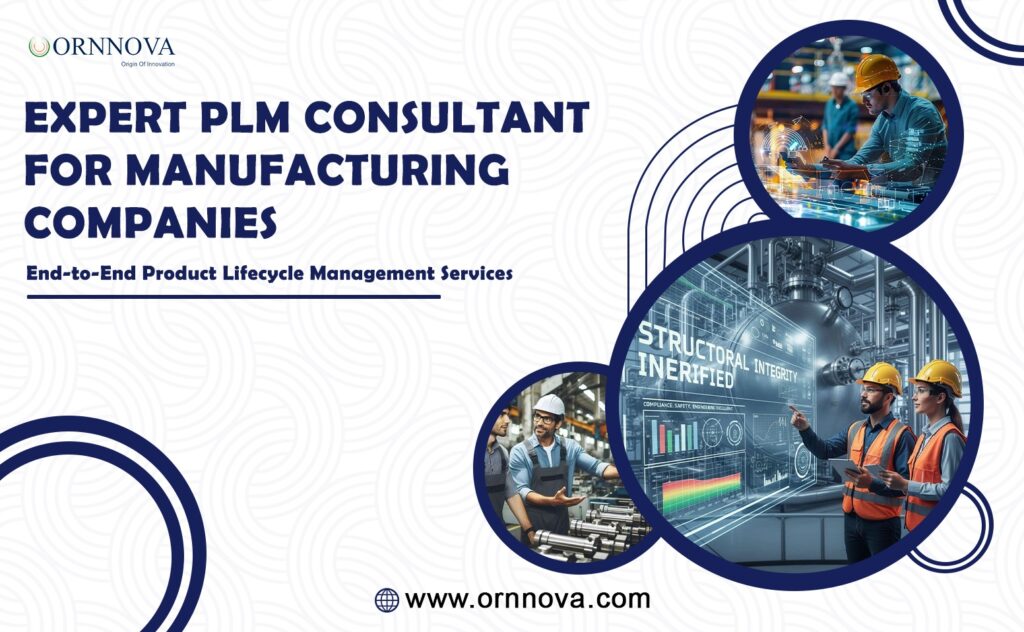
Understanding the Role of a PLM Consultant
A PLM consultant expert who guides manufacturers in selecting, implementing, and optimizing PLM solutions based on their business goals. Rather than focusing only on software, a consultant analyzes existing processes, identifies gaps, and aligns PLM systems with engineering, manufacturing, quality, and supply chain workflows. This strategic approach ensures long-term success instead of short-term fixes.
Overcoming Manufacturing Challenges with PLM Services
Manufacturing companies often struggle with disconnected product data, version control issues, delayed approvals, and frequent engineering changes. Without proper guidance, even the best PLM software solutions may fail to deliver results. A PLM consultant helps eliminate these challenges by designing structured workflows and establishing a single source of truth for all product information.
Faster and More Reliable PLM Implementation
One of the major benefits of hiring a PLM consultant expert is faster and smoother implementation. Consultants create a clear roadmap, configure the system correctly, and ensure user adoption across teams. With professional product lifecycle management services, manufacturers can avoid costly delays and implementation failures while achieving quicker go-live timelines.
Improved Product Data Management and Accuracy
A PLM consultant ensures that all product data—CAD files, BOMs, specifications, and documents—are centrally managed. This improves accuracy, reduces duplication, and strengthens change management. Advanced 3DPLM global services further enhance visualization and collaboration, allowing teams to work efficiently on complex product designs.
Reduced Development Costs and Time-to-Market
By optimizing workflows and automating manual processes, PLM consultants help reduce rework and development costs. Faster approvals and better collaboration lead to shorter product development cycles. This allows manufacturing companies to bring products to market faster while maintaining quality and compliance.
Better Collaboration Across Departments
Manufacturing involves coordination between engineering, production, procurement, and quality teams. A PLM consultant designs workflows that improve communication and transparency. With well-implemented PLM solutions, teams can collaborate in real time, reducing misunderstandings and operational bottlenecks.
Scalable and Future-Ready PLM Strategy
As businesses grow, their PLM systems must scale with them. A PLM consultant ensures that PLM software solutions support future expansion, new product lines, and digital transformation initiatives. This long-term approach makes PLM a strategic asset rather than just a software tool.
Conclusion
Hiring a PLM consultant is a smart investment for manufacturing companies looking to improve efficiency, reduce costs, and stay competitive. With expert PLM services, tailored product lifecycle management services, and advanced 3DPLM global services, manufacturers can unlock the full potential of their PLM systems.
Looking to implement or optimize PLM solutions for your manufacturing business? Contact a PLM consultant today for a free consultation.